

Torque Converter Clutch Problems
Car symptoms like bucking and stalling can indicate a torque converter clutch problem. However, these two conditions can exist from other root causes.
This is why I wanted to discuss it a little further. This lock-up device is important, because it helps provide maximum fuel economy for the vehicle when cruising.
I did touch on the operation and the basic principles behind how the converter clutch works on my page about the transmission valve body if you want more information.
More importantly there are some vehicles that have specific problems with this electronically controlled torque converter clutch system. The poster child remains the 700r4 installed in the rear wheel drive G body cars like the Monte Carlo and Grand Prix. It’s also in the F body including the Firebird and Camaro.
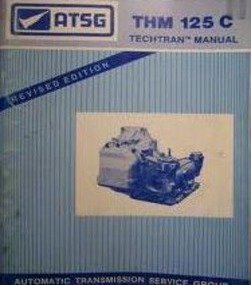
Another one that comes to mind would be General Motors vehicles with the 125C automatic transaxle installed. They used this very popular transmission across the General Motors product line for years.
Some extremely popular vehicles such as the Cavalier and the Grand Am also use this transmission. When the torque converter clutch malfunctions, it will apply and stay stuck in the applied position.
Symptoms of Stuck TCC Solenoids
This can cause a stalling and bucking condition when the vehicle is slowing down or stopping. The torque converter clutch is supposed disengage when you step on the brake pedal.
It’s also supposed to turn off when the transmission begins to downshift or when the vehicle is moving below 25 mph. When people would complain about torque converter clutch problems and the 125C was installed we ran a quick test. Mechanics would disconnect the four wire connector from the torque converter clutch solenoid.
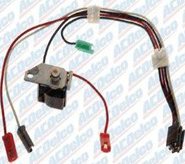
This was not a scientific test and if the solenoid was permanently stuck applied it would not tell you what was wrong with the car.
But often simply disconnecting the clutch solenoid connector solved the shuddering or stalling condition. Here’s the problem with doing this. The torque converter clutch would no longer apply and the vehicle would get extremely poor fuel economy.
Some customers would try to avoid the repair which includes replacing the torque converter clutch solenoid. This part mounts in the valve body. However, after several months of receiving very poor fuel economy they would usually come back and have the operation performed.
How the Lockup Torque Converter Works
The lockup converter clutch assembly is controlled by the engine computer or transmission control module depending on the model and the year of the vehicle.
The control module energizes the relay which then sends 12 V to the lockup solenoid. The module decides when to turn on the solenoid by receiving signals from different sensors that confirm it is time to apply the clutch.
Some of these sensors include the crankshaft position sensor, engine coolant temperature sensor, vehicle speed sensor, and the map sensor which determines vehicle load and of course the TPS sensor which is the throttle position sensor.
In the case of the 125C automatic transaxle, when they activate the solenoid, it seats a check ball that prevents line pressure from venting.
When this line pressure builds up it essentially applies the clutch. This provides a one-to-one direct connection between the engine crankshaft and the transmission input shaft.
This provides maximum efficiency and bypasses the power loss experienced by a typical torque converter.
The mechanical connection of the clutch takes away the natural slipping of the fluid coupling that a torque converter is based on. Achieving the advertised fuel economy ratings become impossible unless this system starts working properly.
Lock Up Clutch Solenoid Replacement
In the General Motors 125C automatic transaxle the solenoid is an electrical device that converts its power into a mechanical force.
In this case a check valve seats to allow the line pressure to build up as stated above. The most common problem associated with this transmission remains issues with the solenoid. They become sticky and stay applied when called upon to release.
This can cause the vehicle to buck and stall when approaching a stop sign. Keep in mind you might run into other symptoms.
The solenoid becomes electrically controlled by a relay and in turn a control module. When you have problems with your lockup system you should really diagnose it completely before jumping in and installing a new solenoid.
Diagnosis will also differ with the make model and year of the vehicle. So in the end I do recommend that you follow a diagnostic tree chart from web based factory auto repair manuals for your specific vehicle.
This is a single page from my automatic transmissions section. If you’re interested in reading additional articles discussing the theory and operation as well as additional articles about specific problems this next link will take you back to the automatic trans section page.
Visit the homepage for more information about what other types of auto repair information we cover. The you fix cars website homepage remains a good place to get a brief rundown of what’s available here. You can also find out where and how to ask car repair questions.