

Deciphering Diagnostic Trouble Codes
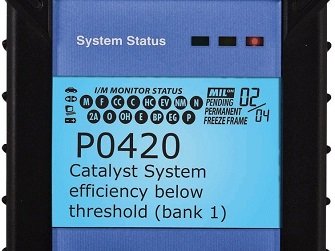
Diagnostic trouble codes for OBD II are explained on this page. This is more about what the numbers mean and stand for as opposed to what system the set code points to.
With a little study you can learn the on board diagnostic language and know what the codes mean by the digits. It’s a lot easier then learning French. If you’re looking for descriptions I have a page that talks about common check engine light code definitions.
The standardized diagnostic codes provide a detailed description of the faults detected by the power-train control module. This article will provide information about what each digit stands for in the standard 5-digit code library. This can aid in engine light diagnosis. Although I wish you were here to learn about each digit of the code I’ll give you one more shot at starting somewhere else.
If you are looking to talk to a mechanic about what is wrong with your specific automobile you can ask for assistance on the car repair help page. If you want to learn how to pull trouble codes I do have a popular page that starts from the beginning and explains the first step in engine light diagnosis.
Okay lets talk about what the numbers mean and how this will help you! When you’re browsing through the list of any OBD II trouble codes you’ll find that there is gaps in the numbering. That will allow codes to be added in the future. Also the list of codes includes some equipment not included on all engines and this may also provide gaps in the numbering system.
Five Digit Diagnostic Trouble Codes
The importance of standardized codes is so that every car make and model will use the same check engine code number for a particular fault. All DTC’s are displayed as five character alphanumeric codes in which each character has a specific meaning.
The first character is the prefix letter that indicates the area of the fault. If the first letter is a P, this will stand for power train computer. If the first letter were a B, this would stand for the body computer.
The second character is a number that indicates whether the trouble code that follows is an OBD II generic code or a manufacturer specific code that is also known as an enhanced diagnostic trouble code. If the second digit is a zero it is a generic code. If the second digit were a one then this would be an enhanced or manufacturer specific Check engine light code.
The third character indicates the subsystem of the area that the fault lies in. The fourth and fifth characters identify the specific faults detected in that subsystem.
Let’s use an example of the common P0306. The first letter P indicates a power-train problem. The zero indicates that it is a generic code. The number three indicates that the failure is in the misfire monitoring system. The last two digits indicate that it is the number six cylinder that has been detected as misfiring.
Sensitive Diagnostic Trouble Codes
OBD II codes are stored according to priority. The DTC with a higher priority will set with the first indication of a failure. Diagnostic trouble codes that are not a high priority may only set after two or three faults have been detected. These may be shown as pending codes on your automotive scan tool.
Some diagnostic car scanners will also display how many times a pending code has failed. Compared to the amount of active drive cycles in the memory.This could mean that a body code may have shown a fault one time out of the last 75 key cycles.
The malfunction indicator lamp was not turned on to notify the driver because this fault was intermittent. This is good information for the technician to keep in mind when looking at the big picture of how to proceed.
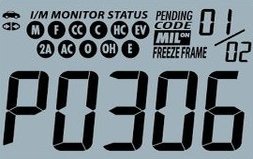
In the case of a P0306 if the number six cylinder misfired a single time the indicator lamp would be turned on immediately and would stay on until cleared.
Yes, even if it was a one time intermittent event. This is why I recommend clearing the code and seeing if it returns. Codes that turn on the check engine light on the first failure are usually related to the emission system. Bookmark or Share this OBDII page with a friend.
I have a lot more on OBD II diagnostic trouble codes. Here are some common problems that will illuminate an MIL (malfunction indicator Lamp). a good way to approach diagnosis of a trouble code is to get a service manual for your vehicle. Comprehensive information is available instantly online. I made a video of how to use online car repair manuals.
For more information about what is covered on this automobile repair website. You can visit the homepage from this next link. You can also find out more about getting some DIY auto repair help.