

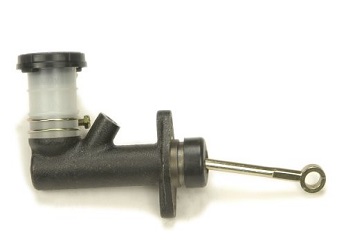
Clutch diagnosis may be necessary when problems with noise or slipping have been detected. The diagnosis of clutch problems will vary depending on the type of system that is deployed on the vehicle.
Most modern vehicles have a hydraulic clutch assembly. However, it’s still possible to find cars and trucks that have a manual clutch cable operated system. Repair and diagnosis is handled very differently between the two.
Before continuing with your clutch diagnosis it is important to identify which type of system is on your vehicle. Below, these two common types of systems are explained in more detail.
The important part about knowing what type you have is that a manual cable can be adjusted both for free play on the pedal side as well as engagement of the clutch disc itself. The most common hydraulic systems have no such adjustments as they are calculated and built into the system from the factory.
Hydraulic clutches that aren’t operating properly may need components such as slave cylinders and master cylinders diagnosed or replaced. Internal seal leaks on these components can occur that will bypass hydraulic fluid without any signs of external leakage.
Manual Cable Clutch Diagnosis
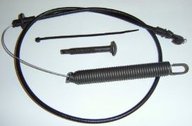
A manual clutch cable looks very similar to an emergency brake cable as it is made of braided wire and covered in a plastic or vinyl sheath. One end of the cable is connected to the top of the clutch pedal.
The other side of the clutch cable is attached to the clutch fork that operates the release bearing or throw out bearing. The casing of a clutch cable is usually fastened to the firewall to provide support and proper operation. When the clutch pedal is pushed this will disengage the clutch by moving the fork that holds the release bearing. When the pedal is released the pressure plate will clamp the clutch against the flywheel and spin the input shaft on the transmission.
Some manual cable clutch systems have an automatic self adjusting mechanism. Often this is a ratchet that is located at the top of the clutch pedal. This ratchet is designed similar to a star wheel adjuster that has a tooth ring and a tab to hold its position.
Manual clutch cable adjustments may be needed when the clutch cable develops slack due to stretching. In the automatic adjusting systems mentioned above this should happen on its own when the clutch pedal is released. If adjustments are necessary it is recommended to follow procedures outlined in your manual for your specific vehicle as specifications and procedures will vary.
Hydraulic Clutch Diagnosis Procedures
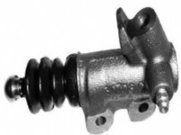
In many modern cars the operation of the clutch release bearing is controlled by a hydraulic system. This provides easy operation and reduces fatigue on the driver’s clutch leg and foot without sacrificing clamping power to the flywheel. In hydraulic clutch operation the same tasks are performed as with a manual cable system.
The release bearing is operated by a slave cylinder that is controlled by hydraulic pressure and a return spring. The two main components of these hydraulic systems would be a clutch master cylinder and the slave cylinder. The clutch master cylinder operates similar to a brake master cylinder as it has a reservoir although it is much smaller. The hydraulic system converts pedal pressure into movement.
When the clutch pedal is pushed the slave cylinder piston moves the clutch fork which disengages the clutch via the release bearing. When the clutch pedal is released an external springs moves the slave cylinder push-rod back.
This allows the pressure plate to clamp the clutch disc directly to the flywheel. My experience with hydraulic clutch diagnosis often leads me to problems in the master or slave cylinders themselves. Internal seals can fail in these components and bypass hydraulic pressure or even develop external leaks.
The small amounts of fluid contained in these systems make them difficult to bleed. Some mechanics believe that the master and slave cylinders should be replaced in pairs. I happen to believe this as well. Often seal problems can be traced back to contaminated fluid. If this is the case then both hydraulic clutch parts should be replaced. Give this clutch diagnosis page a bookmark or share with friends.
The you fix cars homepage has been recently updated and reviews some of the valuable information that is available here. You can also find out how to ask auto repair questions.
These types of systems are easier to repair when you understand how they work. You can visit this next page for more information about clutch diagnosis and manual drive trains.