

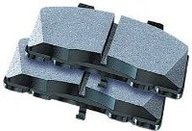
We all know that brake pad inspection should be performed on a regular basis. On some vehicles with aluminum wheels you can see the caliper and brake pad without removing the wheel using an inspection mirror.
Sport wheels such as the 5 spoke style can make it real easy to see how much pad is left. Keep in mind that sometimes you have to take the wheel off to get a real good look. This is because some Manufactures use over-sized caliper brackets that can block the mirror from providing an accurate view. When this happens you might be able to position the mirror to see the wear groves or bevel if equipped.
If you use a mirror to gauge brake wear, a rectangular inspection mirror works well in my opinion. They can be held flat against the rotor surface and then angled so you can see between the rotor and caliper.
On some vehicles a tapered edge to the pads is also visible to get an idea of how much is remaining. With other models the brake calipers will have brake pad inspection holes. After you get an idea of how much meat is remaining you can compare this measurement with the thickness of a new brake pad for your model.
Also a measurement chart is included in the factory service manual. In many cases an online car repair manual such as all data will also include these measurements to tell you when it’s time to replace brakes. Keep in mind that this depends on the specific make and year.
Problems when Checking Brakes
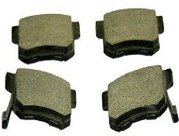
Sometimes when you are checking brakes you find something unusual that’s a sign of a problem. For instance when pads on one side of the vehicle have more wear than the other. Also when the the out board friction material is worn down more then the inside.
Both conditions are called uneven wear.This uneven wear might mean the piston is sticking and not providing equal pressure to both left and right pads. It could be when the pedal is released that one pad is not releasing all the way and dragging against the rotor. On full floating or sliding calipers this could be a sign of poor lubrication or binding of the slides.
Caliper slides let the brake pads float and move back and forth freely. Often when these bind it is the outer pad that will have more wear than the inner.
When you perform a brake pad inspection you should also look at the condition of the rotors. If a rotor is a bluish or purple color as compared to the others it may indicate the brakes are dragging. This can be caused by a caliper problem. Other things like a restricted brake hose can also cause this. The next page has information on how to diagnose front brake problems.
Getting a Good Look at the Brakes
If you have removed the wheels to check the brakes it is very important when you reinstall the wheel, to properly torque to lug nuts. Improper torque applied to the lug nuts is the number one reason for a rotor to develop problems that cause driver complaints like vibration.
The most common of these problems would be considered a brake pulse. This is caused by a wavy rotor surface that physically pushes the brake caliper piston in and out as it tries to apply the brake pads.
This can translate into a surging feeling while braking and also a feedback on the brake pedal as you push on it. In the old days the rotors where much thicker and therefore much more resistant to warping. Also the thicker rotors of the past could be turned or resurfaced many times.
Today modern composite rotors warp much easier and are so thin that resurfacing does not usually turn out well. My personal opinion is to just replace a warped rotor with a new one. Prices have come way down on new disc brake rotors making replacement a good option. Here is a link to some of the Best selling brake rotors. Share this brake pad inspection page with a friend having car problems.
For more information on how the braking system works and more tips on checking brakes visit my lead page for the car disc brakes section.
What else can you find on this diy auto repair site? If you would like to learn more about what youfixcars.com can do for you this next link takes you to the homepage from this page about brake pad inspection.