

Many noise complaints from drivers can be traced back to manual transmission noise.
You really have to take a few extra minutes before beginning diagnosis to make sure the noise isn’t coming from other components.
This also applies to automatic transmissions, but this page will focus on the manual variety. In some cases unusual noises may also be a sign of problems in the engine or transmission mounting systems or retaining bolts.
Loose engine to transmission mounting bolts can cause improper alignment and movement between these heavy components. Vibration can also back off those bolts that attach these items to their rubberized mounts.
This condition can cause extremely hard-to-find noises but more importantly it may also increase wear on the manual transmission input shaft and related bearings.
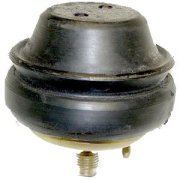
This means the noise and the damage can increases over time. Also a common problem that I have found on many vehicles would be a problem with separation of either the rubber engine mounts or transmission mounts.
These items are under a lot of stress from engine torque. Not only do they hold the major system components in place but they are responsible for isolating vibration and noise from the frame of the vehicle. This stops it from making it’s way into the passenger compartment.
Manual Transmission Noises
When you have eliminated all of the other possible causes you can turn all of your attention to the transmission or trans-axle assembly.
Some common causes of internal noise can be damaged bearings, synchronizers, or even worn chipped or damaged gear teeth.
One way to confirm internal noises is if you are able to make the noise come and go by selecting certain gears.
In fact if the noise changes or disappears in different gears this can actually indicate specific problems in that particular area of the transmission.
The type of noise that you hear may also help indicate the problem. A growling noise may be a sign of internal malfunctions depending on when it occurs.
Transmission Noise Diagnosis
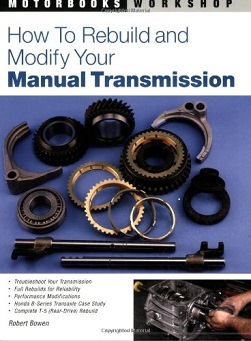
If the growling sound happens when the transmission is in neutral and the clutch is engaged the problems could be with an input shaft or their related bearings.
Also the input shaft pilot bushing that fits into the flywheel should be inspected for wear or damage. If a manual transmission noise is detected in all forward gears the final drive components and the output shaft should be inspected.
Noise in forward gears can also indicate internal counter shaft bearing issues or even counter shaft to cluster assembly bearings.
If these types of internal problems are suspected it will most likely have to be disassembled for visual inspection. In most manual transmissions the bottom drain plug is actually a magnet. You can remove the drain plug and catch the fluid and inspect it for signs of metal or pieces of needle bearings.
If metal debris is in the oil that was removed or on the drain magnet then looking inside the transmission would seem justified.
When these pieces of metal or brass flakes are suspended in the fluid they can continue to circulate and cause additional damage inside the transmission.
These circulating pieces of debris can also cause the need for additional major repairs. The main section for drive line components is up next. This page discusses both front wheel and rear wheel drive manual drive trains. This next page talks about a few other common problems that can occur in manual transmissions. As well as other types of transmission noise.
If your looking for a place to go for more information about car repair take a look at the homepage. You can see what else is covered here and ask repair questions.