

About Automotive Resistors in Cars
Automotive resistors are what control the current flow in electrical circuits. The definition of a resistor is a device specially constructed to put a specific amount of resistance into an electrical circuit.
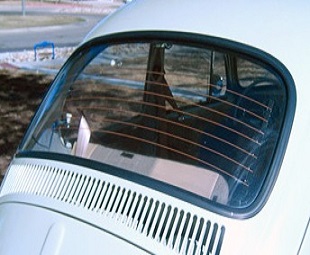
You’ll also find some other automotive components that use resistance to produce heat and even light. An electric rear window defroster grid is a type of resistor.
The defroster element produces heat for melting ice, snow and clearing fog. Electric lights or also resistors that get so hot that they produce a glow of light. That light is amplified and focused by mirrors or reflective material.
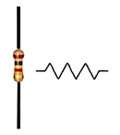
There are several different types of resistors in auto circuits. The following is a short explanation of the most popular ones that are used throughout the automobile.
With a solid understanding of how they work electronic repairs on automobiles becomes easier for all skill levels. A fixed value resistor is designed to have a single rating that doesn’t change.
Typically these are used to decrease the amount of voltage applied to components such as an ignition coil. Car manufacturers use wiring called resister wire to limit current flow and voltage in a circuit.
This wire looks like normal wiring but is not as good of a conductor. This wire is always marked with the letter r or the recognized symbol.
Automotive Variable Resistors
Variable resistors are designed to have a range of resistance available through two or more terminals and a control. Two examples of this type of resistor are rheostats and potentiometers.
Rheostats have two connections, one to the fixed terminal and the other one to a sliding contact on the resistor. Moving the control moves the sliding contact away from the fixed end increasing or decreasing the resistance.
Potentiometers have three connections one at each end of the resistance and one connected to a sliding contact on the resistor. In this case, moving the control moves the sliding contact away from one end of the resistance but towards the other.
The name potentiometer is derived from the capability of this electrical component to provide different amounts of potential voltage.
The PCM, ECM or what ever the specific car maker calls their main power-train control module is real good at turning on the check engine light when one of these parts reports total resistance outside of a specific range.
An example would be if a resistor returns a value of infinity. This would signal the PCM that the flow of current is open somewhere in the circuit. An inverse situation would be a short to ground where 0 ohms has been measured therefore bypassing any resistance that should exist in this healthy circuit.
Common Automotive Resistors
Another type of variable resistor is the thermistor type. This is commonly found in modern-day automobiles. This type of automotive resistor is designed to change its resistance value as its temperature changes.
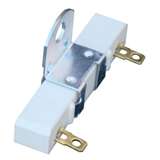
Note the picture to the right is of a Chrysler ballast resistor not a thermistor. A ballast resistor is used in ignition circuits and hi current starting circuits.
But a computers coolant temperature sensor is a great example of a thermistor type resistor. As the temperature rises and fall’s the resistance also changes along with the voltage in the circuit. The electronic control unit reads the voltage as a temperature value. Give this Diy car electrical repair page a bookmark or share.
Now that we know a little bit about the different types of resistors that you will find in automotive circuits. Let’s head back to the automotive electrical page and find out more about automotive circuit operation. The homepage provides an excellent description of what else is available on this car repair website. This next link takes you from automotive resistors to car repair advice.