

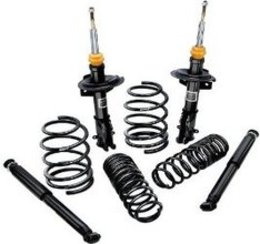
This article is about active suspension systems and includes electronic shock absorbers and adjustable air springs. This technology can also use real time data from traction control and ABS sensors already deployed on the vehicle to send output signal commands to these components.
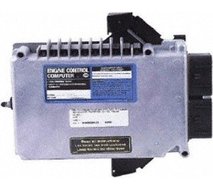
On many vehicles a dedicated module electronically controls the output to the suspension parts. This control module will monitor inputs from the traction control and steering system. Things like vehicle speed, individual wheel speed sensors, steering angle and the latest technology added to these systems is the G force input.
Other inputs looked at would be vehicle ride height, throttle position, and even if the passengers door is open or closed. Advances in automotive technology have led to this new generation of suspension systems.
Active suspension is not only the wave of the future, but is well received by car buyers. We have all seen the commercials, where the active suspension saves a family’s life. The setting is usually a wet slippery night while driving on a mountain road dodging falling boulders and oncoming traffic.
Electronically Controlled Suspensions
Even the simplest systems are not that simple. The most basic system I have seen so far uses mechanical level control valves, tied to an electronic height sensor. This in turn controls an air compressor that pumps up or vents air from the air springs.
The more advanced adaptive suspension is capable of altering shock absorbers dampening and ride height continuously on the fly. In this case the control module adjusts the air spring pressure and shock dampening settings through valves and solenoids to match the changing road and driving conditions. The most advanced controlled suspension systems are truly active. These latest systems use high-pressure hydraulic actuators to carry the vehicles weight rather than conventional springs or even air springs.
Why Suspension Systems Should be Active
A unique feature of an active suspension systems is that it can be programmed to respond to various operating conditions. Example: Going around a sharp curve. What if you raised the height of the outside actuators and lowered the pressure to the inside.
In this case the vehicle can be made to lean into the curve almost like a motorcycle will do. You can imagine what this does for the cornering ability of the automobile. This feature brings new meaning to the word happy sports car enthusiast. Many people say after driving a vehicle with this type of technology that they just can’t go back to the plain Jane automobile they have driven in the past.
Even some late-model pickups and sport utility vehicles offer traction control teamed with active suspension systems. I recently raised a vehicle and took a look at one of these new suspensions. I was surprised to see the air, spring positioned between the center of the leaf and the frame of the sport utility vehicle.
This setup allows the manufacturer to provide very stiff or rigid springs for maximum payload. At the same time they can isolate the driver from the negative characteristics of this type of suspension.
Also as the bed of the truck or passengers are added to the vehicle, the system will automatically adjust to carry the changing payload in the most comfortable manner. Many new vehicle buyers are not ready for this technology. And maybe this is a good thing.
The longer electronically controlled suspension systems are on the market, the better they will become and the cost of the technology will come down. If you plan on jumping on board and purchasing a vehicle because it is equipped with an active suspension this may be a little premature. However, as vehicles get lighter and manufacturing capabilities improve this electronically controlled suspension system has a very bright future in this mechanics opinion.
For more information on the stuff that holds your car up the next page is about all kinds of suspension systems. The homepage is a good place to discover what other kinds of information is available here. Also find out how to ask car repair questions.